
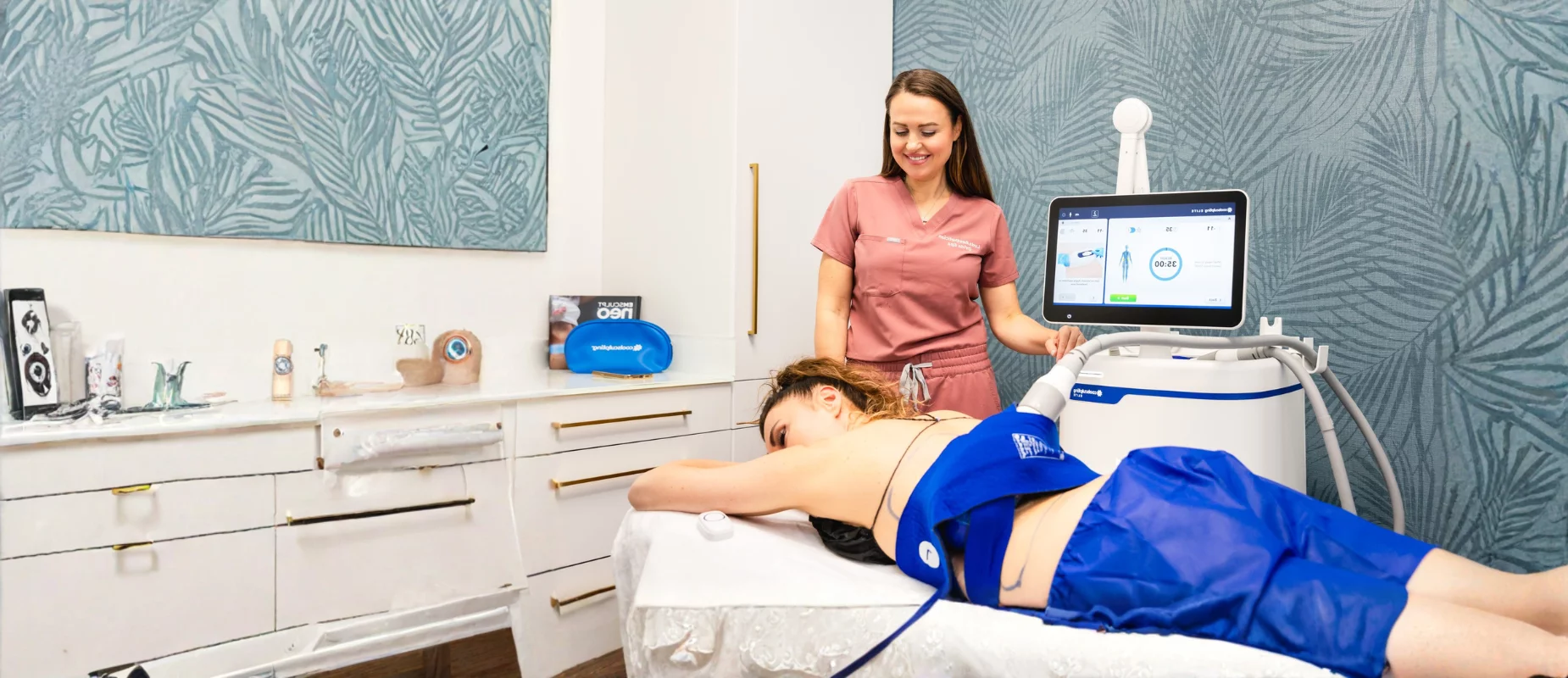
How Much Is CoolSculpting? Cost, Results, Treatment Areas & What to Expect
If stubborn pockets of fat are refusing to cooperate with your diet and exercise routine, you may have already heard about CoolSculpting. It is a non-surgical body contouring treatment that uses controlled cooling to target fat cells beneath the skin.
At Elite Chicago Spa, CoolSculpting pricing is based on the size of the area being treated. Our current pricing starts at $750 for a small area, with larger treatment areas priced according to their size.
Small areas start at $750, medium areas are $950, and large areas are $1,200. Your final treatment plan depends on the areas you want to address and the number of treatments recommended.
What Is CoolSculpting?
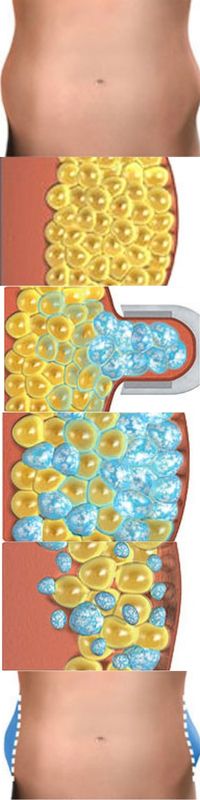
CoolSculpting is a non-invasive body contouring treatment based on cryolipolysis, a process that uses controlled cooling to target fat cells.
Instead of surgery or incisions, a specialized applicator is placed over the selected area. The applicator cools the underlying fat layer while protecting the surrounding skin. Over time, the body naturally processes the treated fat cells.
The FDA describes non-invasive body contouring technologies as treatments intended to alter the appearance of localized areas of the body. These treatments are not intended to treat obesity or provide the health benefits of weight loss.
For more information, see the
FDA’s information on non-invasive body contouring technologies.
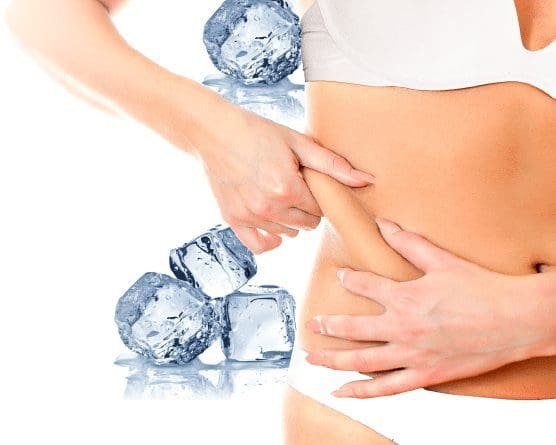
How Does CoolSculpting Work?
The idea behind CoolSculpting is fairly simple: controlled cooling is used to target a localized fat bulge while minimizing damage to the surrounding tissue.
Target
The treatment area is assessed and the applicator is positioned over the selected fat bulge.
Cool
Controlled cooling is applied to the targeted fat layer during the treatment session.
Process
The body gradually processes the treated fat cells over the following weeks and months.
CoolSculpting and cryolipolysis are closely connected terms. Cryolipolysis describes the fat-freezing method, while CoolSculpting refers to a branded system that uses controlled cooling technology for body contouring.
The treatment is designed for localized contouring rather than overall weight reduction.
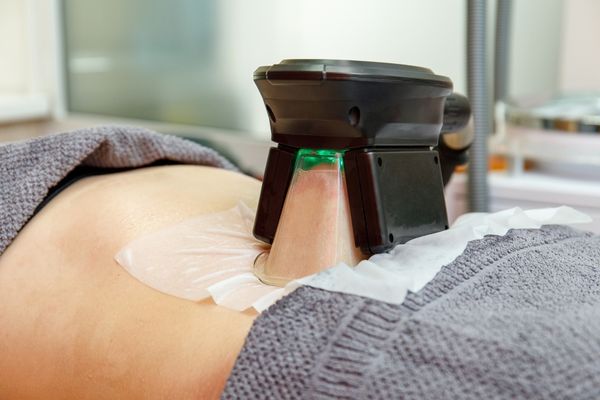
Why Does Fat Freezing Work?
Research into cold exposure and fat cells helped lead to the development of cryolipolysis. The basic concept is that controlled cooling can damage targeted fat cells while minimizing injury to the overlying skin.
After treatment, the body gradually processes the affected fat cells. This process does not happen overnight, which is why CoolSculpting results develop progressively rather than appearing immediately after the appointment.
The
Cleveland Clinic’s overview of cryolipolysis
explains that changes can develop gradually after treatment.
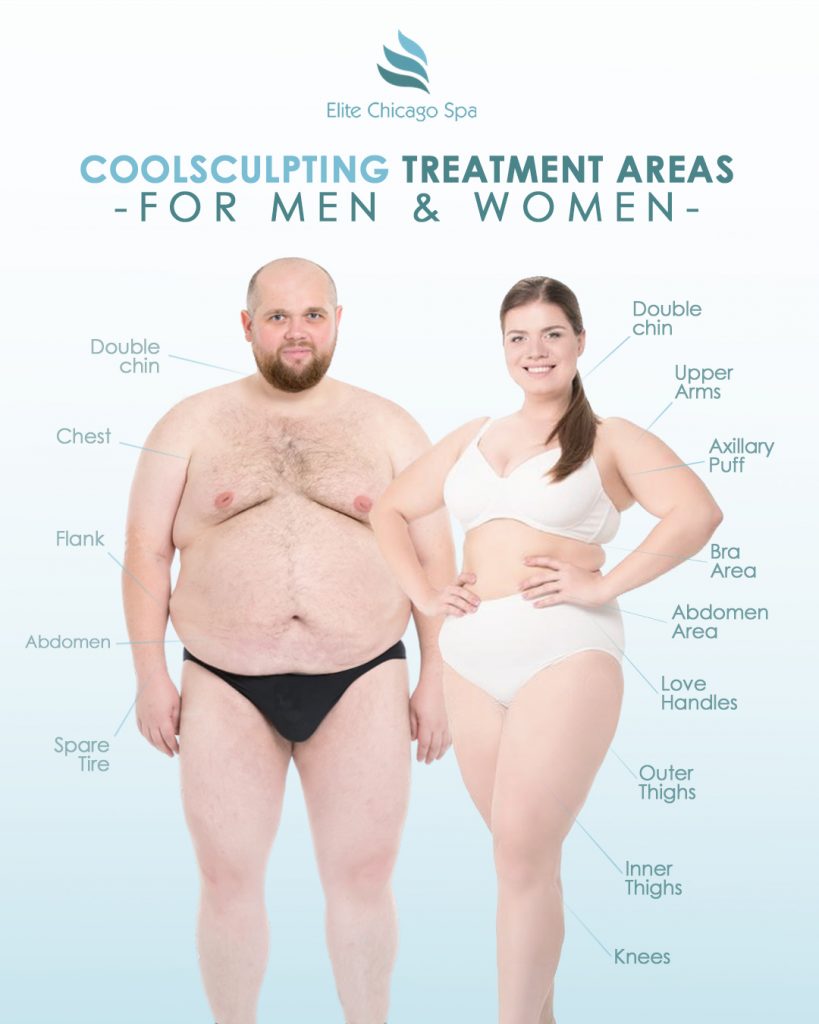
Which Areas Can CoolSculpting Treat?
CoolSculpting is intended for localized pockets of fat rather than general weight loss. Depending on the treatment plan and appropriate applicators, commonly treated areas can include:
For localized abdominal fat that remains despite healthy habits.
For visible bulges around the sides of the waist.
For selected areas of inner or outer thigh fat.
For certain localized pockets around the upper arms.
For targeted areas of unwanted fullness along the back.
For appropriate candidates with localized submental fat.
For selected pockets beneath the buttocks.
Your provider can determine whether your specific area is suitable.
Elite Chicago Spa offers
CoolSculpting treatment in Chicago
for appropriate candidates who want a non-surgical approach to localized body contouring.
Is CoolSculpting Effective for Weight Loss?
No. CoolSculpting is designed for body contouring, not overall weight loss.
It may be suitable for someone who is already near their desired body size but has small areas of fat that are resistant to diet and exercise. The goal is to improve the contour of a specific area rather than reduce the number on the scale.
Non-invasive body contouring should not be considered a replacement for healthy eating, exercise, or medical weight-management treatment.
CoolSculpting is not a magic eraser for last night’s pizza. It is a targeted contouring treatment for selected pockets of fat.
How Much Does CoolSculpting Cost?
At Elite Chicago Spa, CoolSculpting pricing is based on the size of the treatment area. Our current pricing is:
Current CoolSculpting Cost
The price depends on the size of the area being treated. The total cost may vary depending on the number of areas and treatment sessions recommended for your individual plan.
Small Area
$750
Perfect for smaller pockets like under the chin, bra fat, or knees.
Medium Area
$950
Ideal for mid-sized areas such as flanks, upper arms, or love handles.
Large Area
$1,200
Targets bigger zones like the abdomen, thighs, or back for noticeable sculpting.
Pricing is based on the treatment area. The total cost may vary depending on the number of areas and sessions recommended for your individual treatment plan.
If you are considering CoolSculpting for more than one area, a consultation is the best way to understand which areas should be treated and what your expected total cost may be.
How Much Fat Can CoolSculpting Reduce?
Results vary by individual, treatment area, device, and treatment plan. Published information on cryolipolysis has reported meaningful localized reductions in fat thickness, but individual results can differ.
You may begin noticing changes several weeks after treatment. More noticeable changes generally develop gradually as the body processes the treated fat cells.
The important distinction is that CoolSculpting is designed to improve the appearance and contour of a treated area—not to produce a specific amount of weight loss.
What Happens During a CoolSculpting Treatment?
CoolSculpting does not involve surgical incisions. Your treatment begins with an assessment of the selected area and continues with controlled cooling.
Consultation
The treatment area and your goals are discussed to determine whether CoolSculpting is appropriate.
Preparation
The selected area is assessed and prepared before the applicator is positioned.
Cooling
The applicator delivers controlled cooling to the targeted fat layer.
Aftercare
You can generally return to normal activities while the body gradually processes the treated cells.
During the first few minutes, you may notice strong cold, pulling, pressure, tingling, or other sensations as the applicator begins cooling the area. The area generally becomes numb during treatment.
The
American Academy of Dermatology’s guide to non-invasive fat removal
explains what patients can generally expect from non-invasive fat-reduction procedures.
How Many Sessions Are Needed?
There is no single number that works for everyone. Some people may be satisfied with one treatment in a specific area, while others may benefit from additional sessions.
The recommended number depends on the amount of localized fat, the area being treated, and the desired contour.
How Long Do Results Last?
Treated fat cells are gradually processed by the body. However, remaining fat cells can still enlarge if you gain weight.
Maintaining a stable weight and healthy lifestyle can help preserve the overall contour achieved through treatment.
CoolSculpting vs. Liposuction
Both procedures can address unwanted fat, but they work very differently.
| CoolSculpting | Liposuction |
|---|---|
| Non-surgical | Surgical procedure |
| Uses controlled cooling | Uses surgical fat removal |
| No surgical incision | Requires incisions |
| Designed for localized fat reduction | Can surgically remove larger amounts of fat |
| Usually little to no downtime | Requires a surgical recovery period |
Who Is a Good Candidate for CoolSculpting?
It may be worth considering if you:
- Have a noticeable pocket of localized fat.
- Are close to your desired body size.
- Have fat that has remained despite healthy lifestyle habits.
- Prefer a non-surgical approach to body contouring.
- Have realistic expectations about what the treatment can accomplish.
A consultation is important if you:
- Have a medical condition that may make cold exposure unsuitable.
- Have poor circulation in the area being considered.
- Have a cold-sensitivity disorder.
- Are unsure whether your concern is actually excess fat.
- Are expecting significant overall weight loss.
Certain cold-related conditions can make fat-freezing procedures inappropriate. Discuss your medical history and treatment goals with a qualified professional before undergoing non-invasive body contouring.
Is CoolSculpting Safe?
CoolSculpting is a non-invasive treatment, but that does not mean there are zero possible side effects. Temporary redness, swelling, bruising, tenderness, tingling, aching, or numbness can occur after treatment.
Most temporary effects improve with time, but uncommon complications can occur. One rare complication associated with cryolipolysis is paradoxical adipose hyperplasia, in which the treated area becomes enlarged rather than reduced.
For this reason, treatment should be performed using an appropriately authorized device by a qualified professional who can assess whether the procedure is suitable for you.
A good treatment plan is about more than choosing a body area. Your provider should consider your anatomy, medical history, expectations, and whether the visible concern is actually something CoolSculpting can address.
Why Is CoolSculpting So Popular?
One reason is convenience. CoolSculpting does not involve surgical incisions, and many people can return to their usual activities after treatment.
Another reason is that it focuses on specific areas. Instead of trying to change your entire body, the treatment can target a localized pocket of fat that has been particularly stubborn.
That makes it appealing to people who are already maintaining healthy habits but want additional help with certain contours.
sometimes your jeans have a very specific complaint. CoolSculpting is designed for targeted contouring—not a complete personality makeover for your wardrobe.
CoolSculpting at Elite Chicago Spa
Choosing a body contouring treatment is a personal decision. At Elite Chicago Spa, the goal is to create a treatment plan around the area you want to address rather than applying the same approach to every client.
Our Chicago med spa offers CoolSculpting for appropriate candidates who want a non-surgical approach to localized fat reduction.
You can also visit the
Elite Chicago Spa homepage
to explore additional aesthetic and wellness services.
During a consultation, you can discuss the treatment area, expected results, number of sessions, and the cost that applies to your individual treatment plan.

CoolSculpting FAQs
How much does CoolSculpting cost in Chicago?
At Elite Chicago Spa, a small area costs $750, a medium area costs $950, and a large area costs $1,200. Your total may vary depending on the number of areas and sessions recommended.
Is CoolSculpting the same as cryolipolysis?
Cryolipolysis is the fat-freezing method, while CoolSculpting is a branded system that uses controlled cooling technology for body contouring.
Is CoolSculpting a weight-loss treatment?
No. CoolSculpting is designed to reduce localized fat bulges and improve body contour. It is not intended to treat obesity or replace a healthy weight-management plan.
How soon will I see CoolSculpting results?
Changes can begin appearing within several weeks, but more noticeable results develop gradually as the body processes the treated fat cells.
How many CoolSculpting sessions will I need?
It depends on the treatment area, amount of localized fat, and your desired contour. Some areas may need one session, while others may benefit from additional treatments.
Can men get CoolSculpting?
Yes. CoolSculpting can be considered for appropriate male and female candidates when the treatment area and medical history are suitable.
Does CoolSculpting hurt?
You may initially feel cold, pressure, pulling, tingling, or other sensations as the applicator begins cooling the area. The area generally becomes numb during treatment.
Are CoolSculpting results permanent?
Treated fat cells are gradually processed by the body, but remaining fat cells can still enlarge with weight gain. Maintaining a stable weight can help preserve your body contour.
Ready to Talk About Your CoolSculpting Goals?
If you have a stubborn area that has not responded the way you hoped, a consultation can help you understand whether CoolSculpting is an appropriate option and what your treatment may cost.
This article is for general educational purposes and is not a substitute for professional medical advice, diagnosis, or treatment. CoolSculpting and other body contouring procedures may not be appropriate for everyone. Treatment suitability, expected results, risks, number of sessions, and pricing should be discussed with a qualified professional during a consultation.